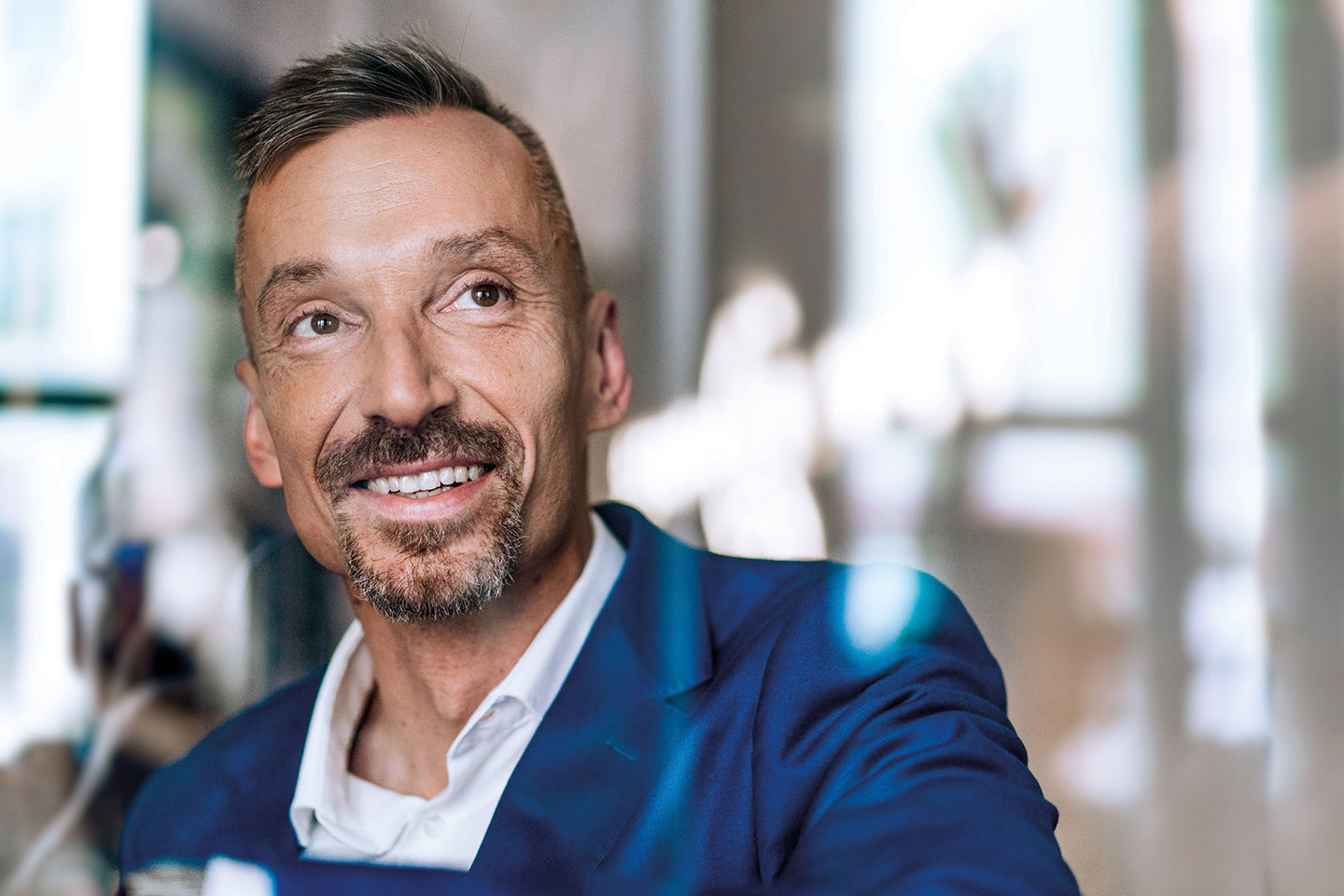
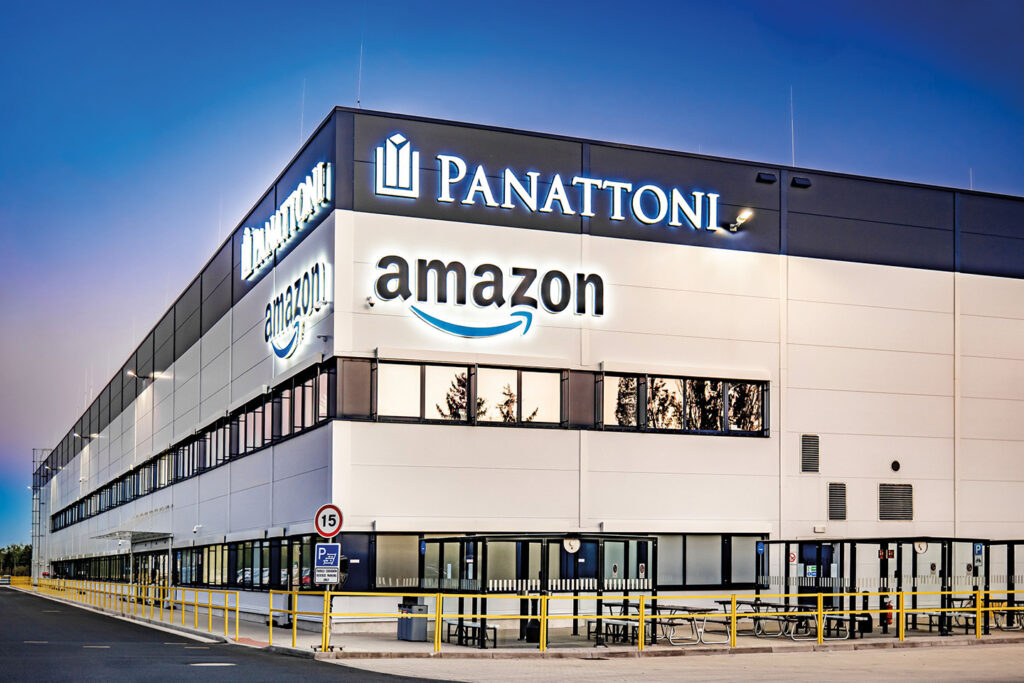
Pavel Sovička has been a mainstay of the real estate world for over twenty-five years. Since 2008, he has stood at the helm of the Czech and Slovak branches of the global developer Panattoni. Under his leadership, the company has delivered cornerstone projects for world-renowned manufacturing and logistics giants including Amazon, Tchibo, DHL, KION, ZF, Bombardier, Mattel, Shape Corp. and Panasonic.
🖊 redakce | archiv Panatonni
Panattoni has long been a dominant force among industrial developers in the region. How would you describe the company’s current standing in Czechia?
Czechia boasts a rich industrial heritage, complemented by a strategic location right in the heart of Europe. This has allowed us to consistently deliver large-scale strategic projects that act as a magnet for global manufacturers and logistics firms. The market here is highly sophisticated as clients have exacting standards regarding quality, sustainability and the technological calibre of their facilities. I am absolutely delighted that we recently hit the 2-million-square-metre mark for buildings constructed and handed over to our clients. To put that into perspective, we’ve surpassed 25 million square metres across Europe as a whole.
It is often highlighted that Panattoni is more than just a local developer – it is a major European player. How does this international scale specifically impact your operations?
Today, Panattoni is the most active industrial developer in Europe and one of the largest privately held industrial developers in the world. For us, this translates into two key advantages: a wealth of shared global know-how and the capacity to serve clients who are expanding globally. When a multinational corporation plans to scale up production across three countries at once, they expect a uniform standard and a single partner to shepherd the entire process. We can offer exactly that, which is why we are so successful in attracting investment from elite multinational firms. We are essentially transplanting best European practices directly into the Czech market. It works both ways though. In terms of sustainable industrial construction, for instance, Czechia is actually a frontrunner in Central Europe.
The push for sustainability is a somewhat controversial topic today. Just how significant is ESG for Panattoni?
It is of paramount importance to us. We’re no longer just talking about how quickly we can throw up a warehouse, but are focused on how that building will perform in twenty years’ time. We have a penchant for developing brownfields and leveraging cutting-edge technology, such as renewable energy sources, heat pumps and smart building management systems. Major European clients expect this as standard – often going far beyond current legislation.
You mentioned brownfield development. Is this the way forward for Czechia?
Brownfields represent enormous potential and, furthermore, are sites where industry historically belongs. While the preparation process is undoubtedly more demanding, the benefits from both an urban planning and ecological standpoint are clear. We are currently building at the Poldi Kladno site and are also preparing a large-scale brownfield site at the former Barbora mine in the Karviná area. Once again, our international experience proves invaluable. For example, our colleagues in the UK are currently remediating
a massive brownfield on the site of a former Honda factory in Swindon.
In which direction do you see industrial development heading in Central Europe?
Following a string of geopolitical crises, we are seeing a shift as certain processes move back to Europe. The Czech Republic is perfectly positioned to capitalise on this massive opportunity. It is no overstatement to say that we are poised to become an essential cog in the machinery of Europe’s industrial and logistics heartland. To achieve this, however, we must first clear our plate of outstanding issues and ensure we are primed to respond with agility to the evolving demands of modern, large-scale European manufacturing and logistics projects. We need to remove all the red tape of our permitting processes, and even provide greater incentives for municipalities and regions through tax revenue allocation, encouraging them to champion industry and commerce within their borders. Failing that, these high-value investments will likely be snapped up by our counterparts in Poland or Germany.