Panattoni | Panattoni
The somewhat controversial headline of the interview with Klára Sobotková may sound exaggerated, but the sad truth is our country’s ability to compete for new investors or opportunities for the expansion of local companies unfortunately hangs in the balance.
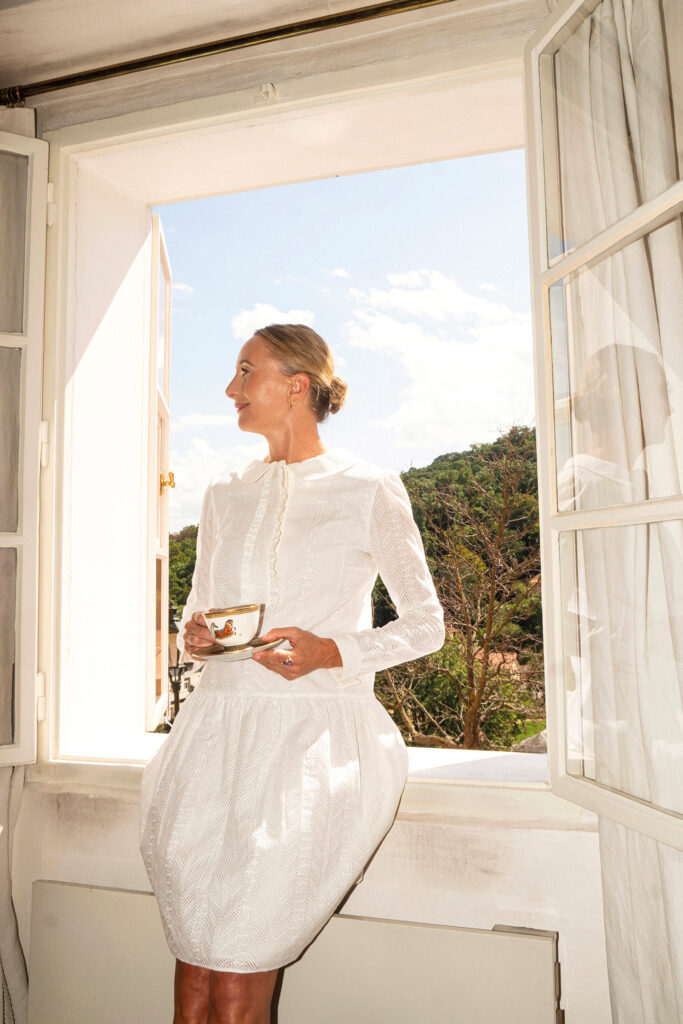
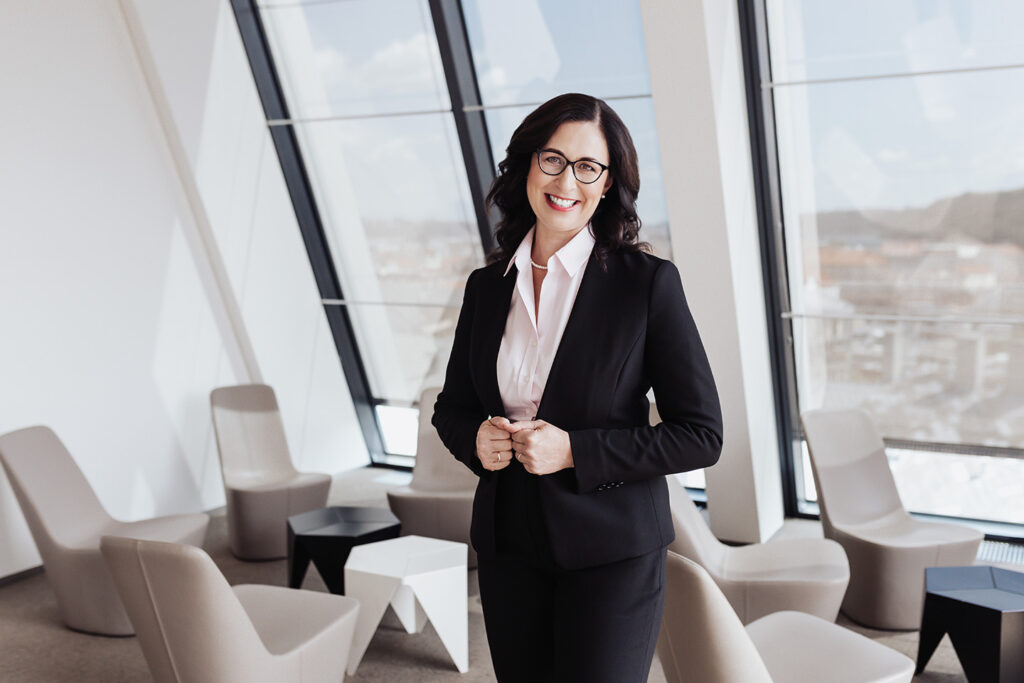
Klára Sobotková has worked for the Panattoni development company since the establishment of its Czech branch in 2007. Today, the highest-ranking woman in Panattoni holds the position of Regional Director. She focuses on the West Bohemian region. Thanks to her experience, Klára was elected the Vice Chair for Foreign Investment at the Association for Foreign Investment (AFI) in 2023. In this position she represents the Czech Republic in international and domestic investment activities and forums. Forbes magazine ranked her among the most influential women in the Czech Republic for the second time in a row this year and the Czech Management Association nominated her among the twenty finalists of the Manager of the Year competition.
What does Panattoni do?
Panattoni is a specialist in the construction of bespoke industrial properties, known as built-to-suit. We know how to customise spaces to fit the requirements of our clients so that they can do whatever they need to do in our facilities. So we don’t just deliver empty ‘boxes’, but rather provide our clients with solutions suited to their needs. Client requirements are becoming increasingly more sophisticated and we have to keep up with them and the current legislation. Our buildings must therefore not only be sustainable in terms of minimising environmental impact, but also allow the tenants to install, for instance, automated and robotic logistics solutions or sophisticated production processes.
Isn’t sustainability just an empty concept today?
Certainly not for our company and the vast majority of our tenants. This is attested to by the fact that we are a leader in sustainable industrial construction on the Czech market. We have the largest number of certified projects both by number and by built-up square footage among all developers. In this way, we guarantee the sustainability of our buildings for the future, i.e., that they will continue to meet environmental standards and laws for decades to come.
What are the obstacles preventing faster development?
There are several obstacles that slow down the development of industrial and logistics complexes. They range from low motivation of municipalities, poorly set budgetary allocation of taxes, through building and fire standards that do not match current world trends and technological developments, to the scarce support from ministries with fragmented priorities owing to ludicrous departmentalism. If we pass on development, we will become an open-air museum and will only remember the historical achievements of industry in Bohemia.
Nevertheless, you are known for your optimistic view of the future.
My view is that industrial buildings are part of the infrastructure without which we could not function in the 21st century. The network of industrial parks is as much a part of infrastructure as motorways, railways or the electricity network. A large part of the public often doesn’t want to see these facilities at all, but almost everything we wear or use in our daily lives is produced in them. And if that’s not the case, then they are at least used to generate the parts for the production process of other goods. Or they play a direct role in our consumption: they are used to pack shipments and serve as warehouses from which goods are delivered to our homes, restaurants or shopping centres. In my discussions with councillors, politicians and the professional public, I have recently seen a clear shift in the perception of industrial parks. They understand that the Czech Republic’s future is unthinkable without a functioning industry, which has a long tradition in our country.